
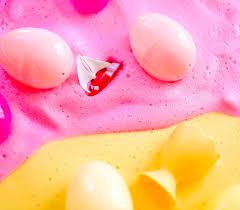
Creating sensory play activities that are both fun and educational can be a rewarding experience for children and adults alike. One exciting project involves turning simple chickpeas into vibrant, colourful foam that invites hands-on exploration. This activity not only sparks creativity but also encourages fine motor skills and imaginative play. Using our specially designed trays and stands enhances the experience, providing a neat, organised, and engaging play environment.
Let’s explore how to make colourful foam from chickpeas step by step and discover how our trays and stands can transform this activity into a delightful sensory adventure.
Why Use Chickpeas for Foam Play
Chickpeas are a versatile ingredient commonly found in kitchens, but they also serve as a fantastic base for sensory foam. When soaked and combined with simple household ingredients, chickpeas create a unique texture that is soft, squishy, and perfect for tactile play.
- Benefits of using chickpeas for foam:
- Natural and safe for children
- Easy to prepare with common kitchen items
- Provides a different texture compared to traditional foam or slime
- Encourages sensory exploration and creativity
This makes chickpeas an excellent choice for parents, educators, and caregivers looking for a safe and engaging sensory activity.
Materials Needed
Before starting, gather the following materials:
- 1 cup dried chickpeas
- Water for soaking
- Food colouring (various colours)
- Liquid soap or gentle dish soap
- A blender or food processor
- Mixing bowls
- Our play trays and stands (designed to hold and organize sensory materials)
-
Optional: glitter or natural additives like essential oils for scent
Having the right tools, especially our trays and stands, helps keep the play area tidy and makes the activity more enjoyable
Step-by-Step Instructions to Make Colourful Chickpea Foam
Step 1: Soak the Chickpeas
Place 1 cup of dried chickpeas in a bowl and cover them with water. Let them soak overnight or for at least 8 hours. This softens the chickpeas and prepares them for blending.
Step 2: Blend the Chickpea
Drain the soaked chickpeas and transfer them to a blender or food processor. Add about 1 cup of fresh water and blend until you get a smooth, creamy mixture. This will be the base of your foam
Step 3: Add Soap and Colour
Pour the chickpea mixture into a bowl. Add 2-3 tablespoons of liquid soap and stir gently to combine. Next, divide the mixture into smaller bowls if you want multiple colors.
Add a few drops of food colouring to each bowl and mix well. You can create vibrant reds, blues, greens, or any colour you like.
Step 4: Whip the Foam
Using a hand mixer or whisk, beat each coloured mixture until it becomes light and fluffy. This process introduces air, turning the chickpea blend into a foam-like texture.
Step 5: Set Up Your Play Area
Place the foam into our trays, which are designed to hold sensory materials securely. Use the stands to elevate the trays, making it easier for children to reach and play comfortably.
Colourful chickpea foam arranged in trays on stands for sensory play
How Our Trays and Stands Enhance Play
Our trays and stands are crafted to improve the sensory play experience in several ways:
Organisation: Each colour foam can be placed in separate trays, preventing mixing and allowing children to explore colons individually.
Accessibility: Stands raise the trays to a comfortable height, reducing strain and encouraging longer play sessions.
Cleanliness: The trays contain the foam, minimizing mess and making cleanup easier.
Creativity: The setup invites children to experiment with mixing colours, shapes, and textures in a controlled space.
Using these tools, caregivers can create a structured yet flexible play environment that supports learning and fun.
Creative Play Ideas with Chickpea Foam
Once you have your colourful foam ready and set up in trays on stands, the possibilities for play are endless. Here are some ideas to try
Colour Mixing: Encourage children to scoop foam from different trays and combine colours to see what new shades they can create.
Shape Making: Use cookie cutters or moulds to form shapes from the foam, enhancing fine motor skills.
Storytelling: Invite kids to build scenes or characters using the foam, sparking imagination.
Sensory Exploration: Let children feel the texture, squeeze, and mould the foam, which can be calming and therapeutic.
These activities promote creativity, sensory development, and social interaction.
Tips for Safe and Enjoyable Foam Play
Always supervise young children during play to prevent ingestion of materials.
Use natural or food-safe dyes to avoid skin irritation.
Clean trays and stands thoroughly after each use to maintain hygiene.
Store leftover foam in airtight containers if you want to reuse it within a day or two.
Experiment with adding natural scents like lavender or lemon for an extra sensory dimension.
Troubleshooting Common Issues
Foam too runny: Try blending chickpeas with less water or adding a small amount of cornstarch to thicken.
Foam not fluffy: Whip longer or add a bit more soap to help create bubbles.
Colours fading: Use fresh food colouring and avoid direct sunlight during play.
Messy play area: Use our trays and stands to contain foam and protect surfaces.
Final Thoughts on Chickpea Foam Play
Transforming chickpeas into colourful foam offers a unique sensory experience that combines creativity, learning, and fun. Using our trays and stands elevates this activity by providing a neat, accessible, and inspiring play space. Whether for home, school, or therapy, this project encourages exploration and joy through simple, natural materials.Emili