
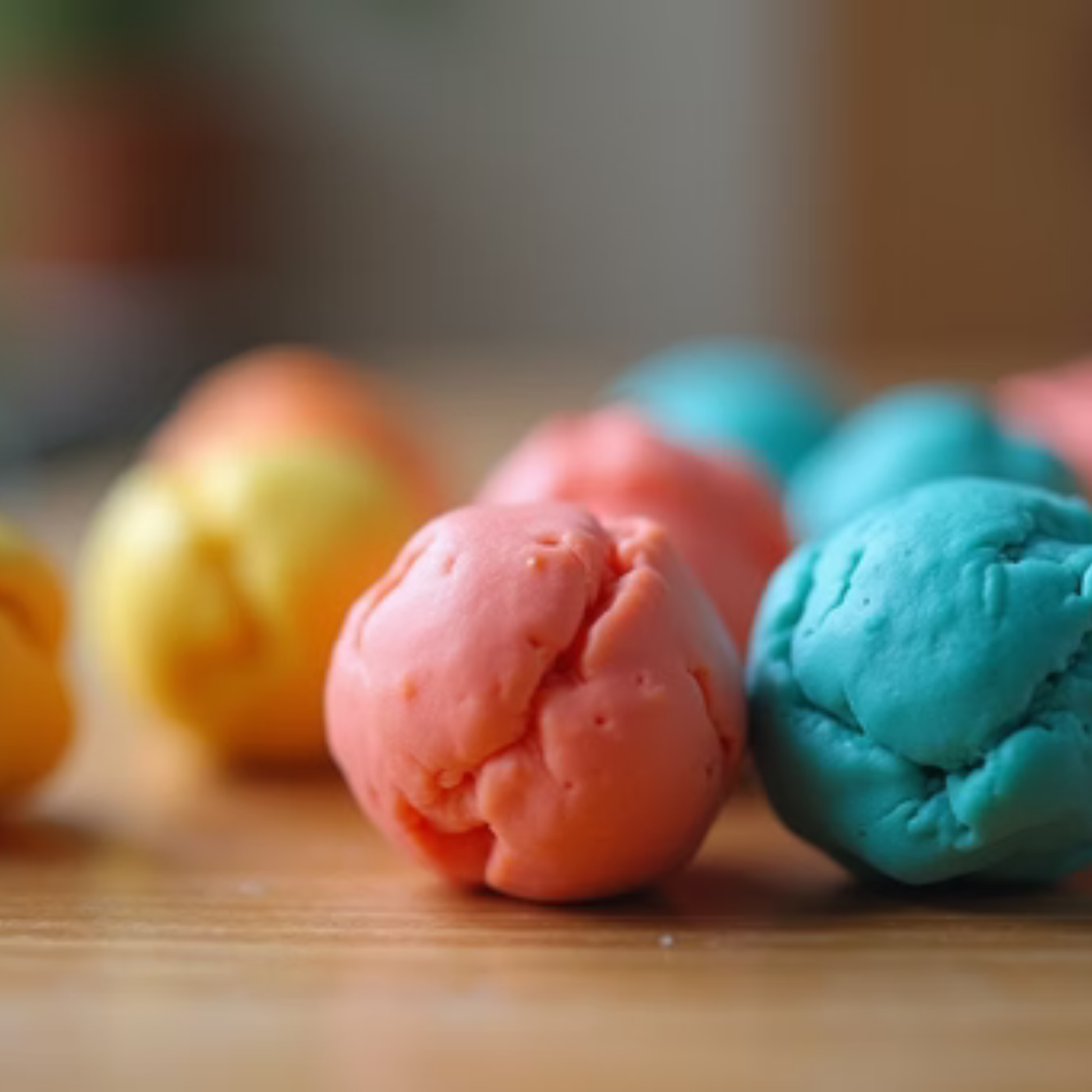
Play dough offers a fantastic way to engage kids in sensory play that supports early learning. Making your own play dough at home is simple, cost-effective, and allows you to customise colours and scents. This guide walks you through the process, sharing tips to create a soft, stretchy dough perfect for messy play and tuff trays activities.
Why Make Your Own Playdough?
Store-bought play dough can be expensive and sometimes contains ingredients you might want to avoid. Homemade play dough lets you control what goes into it, making it safer and more natural. Plus, the process of making play dough can be a fun activity itself, encouraging kids to explore textures and measurements.
Benefits of homemade play dough include:
- Customisable colors and scents
- Non-toxic and safe ingredients
- Encourages sensory and fine motor skills
- Supports creativity and imaginative play
- Perfect for use in tuff trays and messy play setups
Ingredients You Will Need
To make a basic batch of play dough, gather these simple ingredients:
2 cups plain flour
1 cup salt
2 tablespoons cream of tartar (helps with elasticity)
2 tablespoons vegetable oil
1 to 1.5 cups boiling water
Food colouring (optional)
Essential oils or extracts for scent (optional)
These ingredients are common household items, making this recipe easy to prepare anytime.
Step-by-Step Instructions to Make Playdough
Follow these steps to create your own play dough:
Mix dry ingredients
In a large bowl, combine the flour, salt, and cream of tartar. Stir well to blend evenly.
Add oil and colour
Pour in the vegetable oil. If you want coloured play dough, add a few drops of food colouring to the boiling water before mixing.
Pour boiling water
Carefully add the boiling water to the dry mix. Stir continuously with a spoon or spatula until the mixture starts to come together.
Knead the dough
When the dough is cool enough to handle, knead it on a clean surface for about 5-10 minutes. The dough should become smooth and elastic. If it feels sticky, add a little more flour.
Add scent (optional)
If you want scented play dough, knead in a few drops of essential oil or vanilla extract.
Store properly
Keep your play dough in an airtight container or zip-lock bag to prevent it from drying out.
Tips for Success
Use gloves if you want to avoid staining your hands with food coloring.
Adjust the water and flour amounts slightly depending on humidity and flour type.
For vibrant colours, divide the dough into portions and colour each separately.
Creative Ways to Use Playdough for Kids
Play dough is more than just a toy. It supports early learning and sensory play in many ways:
Tuff trays setups: Use play dough as a base for themed sensory trays with small toys, natural materials, or tools.
Messy play sessions: Encourage kids to explore textures, shapes, and patterns with their hands.
Fine motor skill development: Rolling, pinching, and cutting play dough strengthens hand muscles.
Storytelling and role play: Create characters, animals, or food items to build imaginative stories.
Learning shapes and colours: Use cookie cutters and colour mixing to teach basic concepts.
Troubleshooting Common Playdough Problems
Sometimes homemade play dough can be too sticky, crumbly, or dry. Here’s how to fix common issues:
Sticky dough: Add more flour a little at a time and knead well.
Dry or crumbly dough: Add a few drops of water or oil and knead until smooth.
Dull colours: Use gel food coloring for brighter results.
Dough too soft: Let it rest uncovered for a few minutes to firm up.
Storing and Maintaining Your Playdough
Proper storage extends the life of your play dough. Keep it in airtight containers or resealable bags. Store in a cool, dry place away from direct sunlight. If it dries out, knead in a little water or oil to restore softness.
Safety and Clean-Up Tips
Always supervise kids during play dough activities, especially with younger children.
Wash hands before and after play to keep the dough clean.
Use washable mats or tuff trays to contain messy play areas.
Clean surfaces and tools promptly to avoid staining.