Imaginary play sparks creativity and learning in children, and one of the best ways to encourage this is through sensory activities. Homemade play mud offers a tactile, engaging medium that invites kids to explore textures, shapes, and stories. When combined with tuff trays and stands, this play mud transforms into a versatile platform for imaginative themes that can keep children entertained and learning for hours.
Why Use Homemade Play Mud for Imaginary Play?
Play mud is more than just a messy activity. It supports fine motor skills, sensory development, and cognitive growth. Making it at home allows you to control the ingredients, ensuring it is safe, non-toxic, and tailored to your child's preferences. Plus, homemade play mud is cost-effective and easy to prepare.
Using tuff trays and stands adds structure to the play area. These trays provide a contained space that keeps the mess manageable while offering a large surface for creative setups. The stands raise the trays to a comfortable height, encouraging children to stand or sit while playing, which supports better posture and engagement.
How to Make Simple Homemade Play Mud
Here is a straightforward recipe for making play mud using common household ingredients:
- 2 cups of plain flour
- 1 cup of salt
- 1 cup of water (adjust as needed)
- Food colouring (optional)
-
1 tablespoon of vegetable oil (for smoothness)
Instructions:
Mix the flour and salt in a large bowl.
Gradually add water while stirring until the mixture forms a dough-like consistency.
Add vegetable oil to make the mud smoother and less sticky.
If desired, mix in a few drops of food coloring to create different colors.
Knead the mixture until it is soft and pliable.
This play mud can be stored in an airtight container for up to two weeks.
Setting Up Your Tuff Tray for Play Mud Activities
Start by placing the tuff tray on its stand in a well-lit, spacious area. Cover the tray with a plastic mat or newspaper for easy cleanup. Place the homemade play mud in the center of the tray. Surround it with small containers holding natural items like leaves, twigs, pebbles, or shells to enhance the sensory experience.
Add tools such as plastic spoons, small shovels, cookie cutters, and rolling pins. These encourage children to manipulate the mud in different ways, building strength and coordination in their hands.
Creating Imaginary Play Themes with Play Mud
The beauty of play mud is its versatility. Here are some imaginative themes you can create using your tuff tray setup:
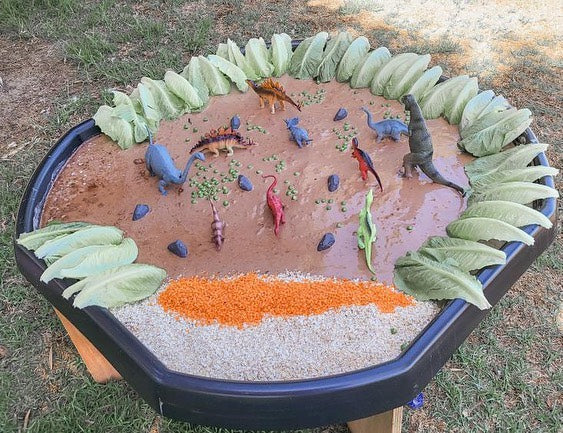
1. Dinosaur Dig Site
Fill the tray with play mud and hide small plastic dinosaur figures or bones inside. Provide brushes and small shovels for children to excavate the fossils. This theme encourages curiosity about history and science.
2. Fairy Garden
Use green food colouring to tint the mud. Add miniature fairy figurines, tiny flowers, and pebbles to create a magical garden. Children can build paths, houses, and landscapes, enhancing storytelling skills.
3. Construction Zone
Add small toy trucks, cones, and construction signs. Children can shape roads, build tunnels, and create construction sites. This theme supports problem-solving and spatial awareness.
4. Underwater Adventure
Colour the mud blue and add shells, plastic sea creatures, and seaweed-like plants. Kids can pretend to explore the ocean floor, promoting imaginative thinking and knowledge about marine life.
Tips for Encouraging Engagement and Learning
Ask open-ended questions: “What are you building?” or “What happens next in your story?” invite children to think and express themselves.
Rotate themes regularly: Changing the imaginary play setup keeps the activity fresh and exciting.
Involve multiple senses: Add scented oils or textured items to the mud to deepen sensory exploration.
Encourage collaboration: Invite siblings or friends to join, fostering social skills and teamwork.

A tuff tray setup with green play mud and fairy garden miniatures
Cleaning and Maintaining Your Play Mud Setup
After playtime, clean the tuff tray with warm soapy water. Store leftover play mud in airtight containers to prevent drying out. If the mud becomes too dry, add a little water and knead it back to softness.
Regularly check the play area for any broken toys or sharp objects to keep the environment safe. Encourage children to wash their hands after playing to maintain hygiene.
Benefits Beyond Play
Using homemade play mud in tuff trays supports more than just fun. It helps children develop:
- Fine motor skills through kneading, shaping, and digging.
- Creativity by designing and storytelling within their imaginary themes.
- Sensory processing as they explore different textures and materials.
-
Language skills by describing their play and interacting with others.
This type of play also gives parents and educators a chance to observe children’s interests and developmental progress in a relaxed setting.
Creating an imaginary play experience with homemade play mud and tuff trays is a simple, rewarding way to support children’s growth. By preparing the mud yourself and setting up themed trays, you provide a rich environment for exploration and learning. Try different themes, add natural elements, and watch as children dive into worlds of their own making.